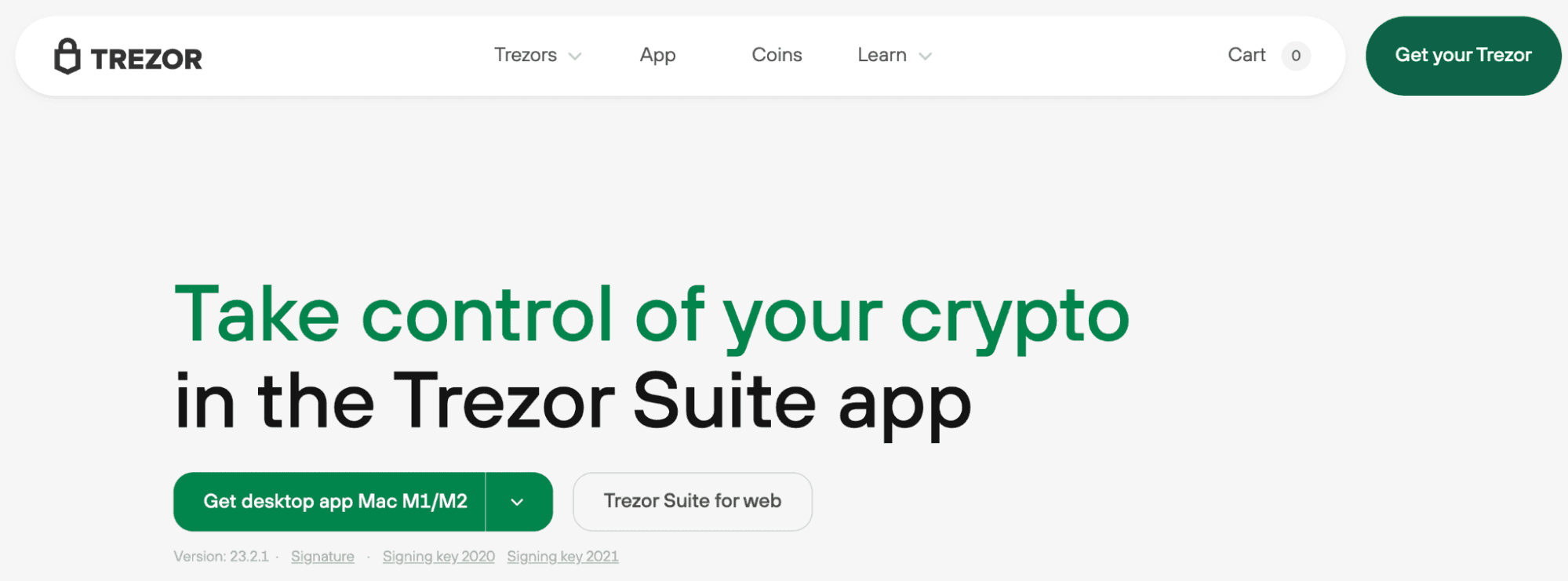
Trezor.io/start
Trezor.io/start is the official setup page created to help users securely initialize their Trezor hardware wallet. It serves as the first and most important step in protecting cryptocurrencies and digital assets. Whether you are new to crypto or an experienced user, Trezor.io/start ensures that your wallet is set up correctly, safely, and directly from the official source. Following the instructions on this page helps reduce risks such as malware, phishing attacks, and improper configuration.
What Is Trezor and Why It Is Important
Trezor is one of the original hardware wallet brands and is widely trusted in the cryptocurrency community. A Trezor hardware wallet stores private keys offline, which means they are never exposed to the internet. This significantly increases security compared to software or online wallets.
Trezor.io/start exists to guide users through the official process of setting up their device, ensuring authenticity and teaching best practices for long-term crypto security.
Getting Started at Trezor.io/start
When visiting Trezor.io/start, users are prompted to select their device model, such as Trezor Model One or Trezor Model T. Choosing the correct model ensures that the setup instructions match the hardware you are using.
Once the device is selected, users are guided to install Trezor Suite, the official desktop and web-based application used to manage the wallet. Trezor Suite is the central hub for managing accounts, sending and receiving crypto, and adjusting security settings.
Installing Trezor Suite Securely
A key focus of Trezor.io/start is security. Users are advised to download Trezor Suite only from official sources to avoid fake or harmful software. After installation, Trezor Suite checks the device and may prompt a firmware installation if the wallet is new.
Firmware installation ensures that the device runs the latest secure software. This step is required for brand-new devices and is done directly through Trezor Suite with on-device confirmation.
Setting Up Your Trezor Wallet
During setup, users are given the option to create a new wallet or recover an existing one. Choosing to create a new wallet will generate a recovery seed, which is a series of words shown directly on the Trezor device screen.
Trezor.io/start emphasizes that this recovery seed must be written down carefully and stored offline. It should never be saved digitally, photographed, or shared. This seed is the only way to recover access to your funds if the device is lost, stolen, or damaged.
Understanding the Recovery Seed
The recovery seed is the most critical security element of a Trezor wallet. Anyone who has access to this seed can control the funds stored in the wallet. Trezor.io/start explains how the device will ask users to confirm the seed words to ensure they are recorded correctly.
Users are also warned about scams and phishing attempts. Trezor will never ask for the recovery seed through email, websites, or messages. Learning this early helps users avoid common crypto security threats.
Creating a PIN and Additional Security Features
After securing the recovery seed, users are asked to create a PIN. This PIN protects the device from unauthorized physical access. If the wrong PIN is entered multiple times, the device increases the waiting time between attempts, making brute-force attacks impractical.
Trezor.io/start also introduces optional security features such as passphrases. A passphrase acts as an extra word added to the recovery seed, creating hidden wallets and adding another layer of protection for advanced users.
Adding Cryptocurrency Accounts
Once the wallet is ready, Trezor Suite allows users to add accounts for supported cryptocurrencies. Trezor supports a wide range of digital assets, including Bitcoin, Ethereum, and many others.
Trezor.io/start provides guidance on how to enable specific coins and manage accounts within Trezor Suite. Each account is derived securely from the recovery seed, ensuring full ownership and control of funds.
Sending and Receiving Crypto Safely
Trezor.io/start explains how to safely receive and send cryptocurrency using the hardware wallet. When receiving funds, users generate an address in Trezor Suite and verify it on the Trezor device screen. This verification step ensures the address has not been altered by malware.
When sending crypto, all transactions must be confirmed directly on the device. This physical confirmation protects funds even if the connected computer is compromised.
Keeping Firmware and Software Updated
Regular updates are essential for maintaining security. Trezor.io/start highlights the importance of keeping both Trezor Suite and device firmware up to date. Updates often include security patches, usability improvements, and support for new cryptocurrencies.
Firmware updates require physical confirmation on the device and are designed to be straightforward while maintaining high security standards.
Best Practices for Long-Term Wallet Security
Trezor.io/start encourages users to follow long-term security habits. These include storing the recovery seed in a safe location, never sharing sensitive information, and staying informed through official Trezor channels.
Users are also advised to double-check URLs, avoid clicking suspicious links, and verify all transaction details directly on their Trezor device.
Conclusion
Trezor.io/start is more than just a setup page—it is a complete introduction to secure cryptocurrency ownership. By carefully following the steps outlined, users can confidently protect their digital assets with one of the most trusted hardware wallets available.